how strong companies are built to last 2026
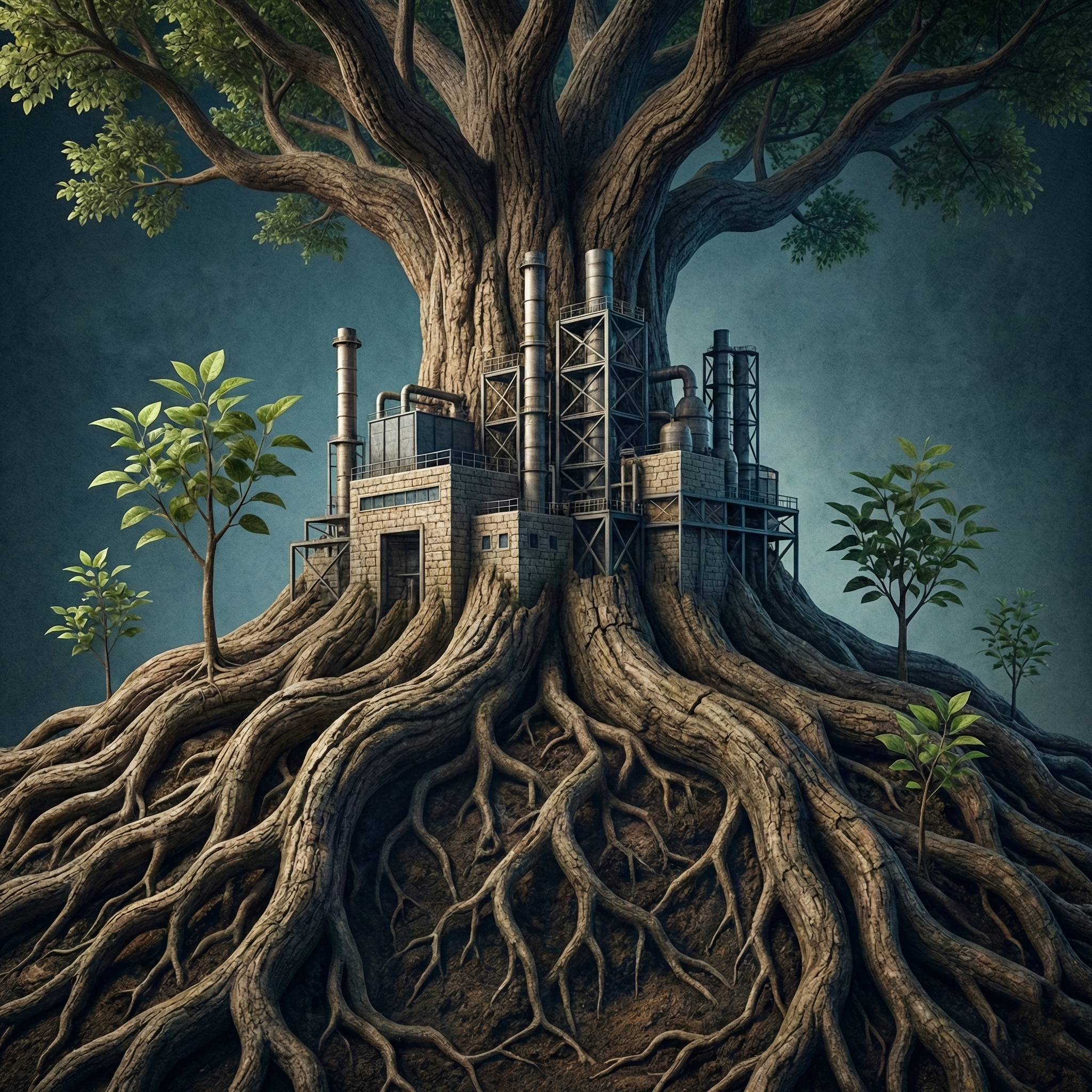
Table of Contents
how strong companies are built to last 2026
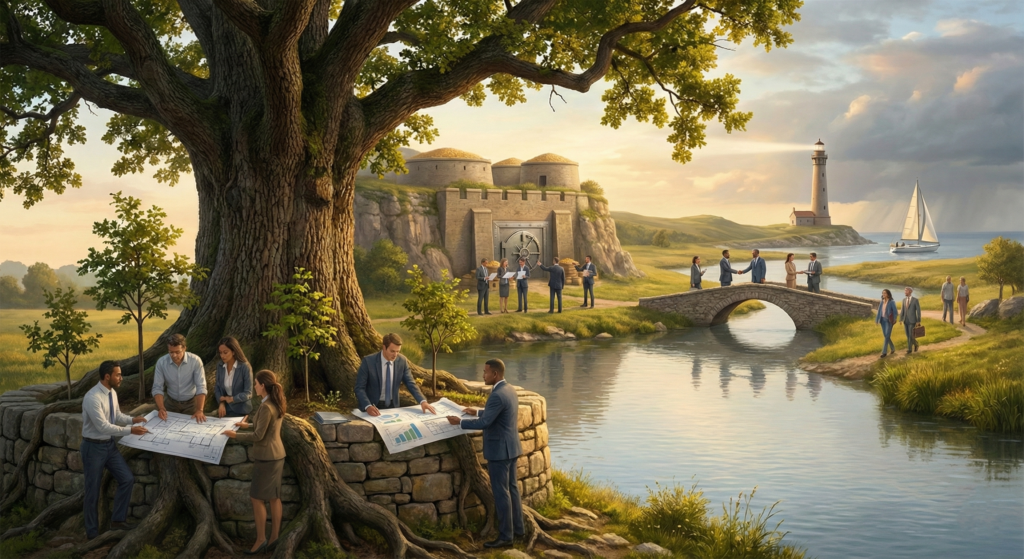
Success in business is not defined by fast growth alone, but by the ability to endure, adapt, and stay relevant over time. Companies that last focus less on hype and more on fundamentals. Longevity is built through deliberate choices, disciplined execution, and a deep understanding of what truly creates value.
🔹 Building Lasting Businesses Through Long-Term Thinking
(Long-Term Thinking Over Short-Term Wins)
Many businesses fail because they chase quick results and instant validation instead of building lasting businesses with durable strategies.
Companies focused on long-term success prioritize:
Long-term value creation over immediate profit
Stable, predictable growth instead of short-lived spikes
Decisions that protect future opportunities
Patience when others feel pressured to act
This long-term mindset is essential for building lasting businesses that compound advantages over time rather than burning out early.
🔹 Strong Foundations Before Expansion in Lasting Businesses
Growth magnifies weaknesses more than it creates strength, especially for companies trying to scale without preparation.
Organizations committed to building lasting businesses invest early in:
Clear internal processes
Reliable operational infrastructure
Solid legal and financial structures
Defined roles and accountability
Without strong foundations, expansion increases complexity, stress, and failure risk. With them, building lasting businesses becomes systematic, controlled, and sustainable.
🔹 Customer Trust as a Core Asset in Building Lasting Businesses
Trust compounds faster than any marketing campaign and becomes a defensible advantage over time.
Companies focused on building lasting businesses consistently invest in:
Delivering reliable and consistent quality
Honoring promises and commitments
Listening carefully to customer feedback
Building genuine, long-term relationships
Customer trust transforms transactions into loyalty and brands into institutions—one of the strongest pillars of building lasting businesses.

Trust transforms customers into advocates and brands into institutions. Once lost, trust is expensive to rebuild—but when protected, it becomes a powerful growth engine.
🔹 Financial Resilience Matters More Than Revenue
Profit is important—but resilience keeps companies alive.
Lasting businesses maintain:
Healthy cash reserves
Controlled and intentional spending
Flexible cost structures
Preparedness for economic downturns
Financial resilience gives leaders the ability to make calm decisions during uncertainty instead of reacting out of fear.
🔹 Adaptation Without Panic
Change is inevitable. Panic is optional.
Strong companies:
Adjust strategies gradually
Rely on data, not emotion
Learn continuously from results
Avoid constant reinvention
Adaptation works best when guided by clarity and purpose. Companies that overreact lose identity, while those that adapt thoughtfully stay relevant.
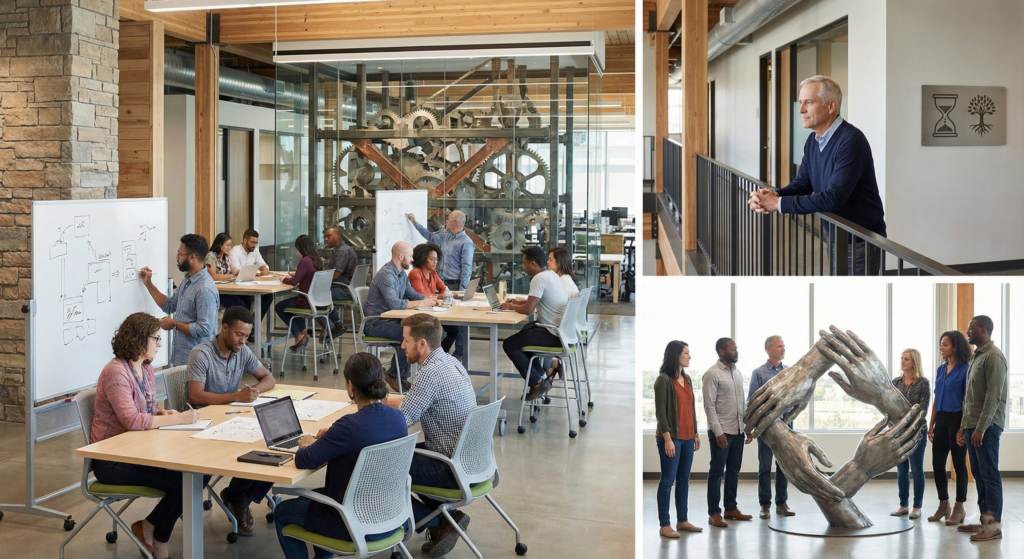
🔹 Culture as a Long-Term Advantage
Culture determines how a company behaves under pressure, uncertainty, and growth. It is not what is written on walls, but what happens when no one is watching.
Enduring organizations build cultures based on:
Ownership and responsibility at every level
Clear and honest communication
Accountability without fear
Alignment with a shared long-term vision
A strong culture creates consistency in decision-making, even when leadership is not present. Employees understand not just what to do, but why they are doing it.
Culture influences how teams respond to failure. Instead of hiding mistakes, strong cultures encourage learning. Instead of blame, they promote improvement. This creates resilience over time.
When culture is weak, growth exposes cracks. Misalignment increases. Confusion spreads. Execution slows. When culture is strong, growth strengthens the organization instead of stressing it.
Clear values guide behavior during uncertainty. Teams don’t wait for permission to act. They make decisions that align naturally with company goals.
Culture also affects talent retention. Skilled people stay where they feel ownership, trust, and purpose. High turnover is often a cultural problem, not a compensation problem.
Strong cultures reduce the need for micromanagement. Trust replaces control. Principles replace constant supervision.
As companies scale, culture becomes the invisible infrastructure that holds everything together. Without it, systems fail. With it, teams operate with clarity and confidence.
Culture is built daily—through hiring decisions, leadership behavior, incentives, and what the organization tolerates or corrects.
In the long run, culture outlasts products, strategies, and even markets. It becomes a company’s true identity and its most defensible advantage.
🔹 Leadership Focused on Durability
Lasting businesses are shaped by leaders who think beyond quarters, headlines, and short-term validation.
Durable leadership is not loud. It is consistent, disciplined, and intentional.
Strong leaders emphasize:
Consistency over charisma
Systems over individual heroics
Empowerment over control
Long-term vision over short-term applause
Durable leaders understand that their role is not to be the smartest person in the room, but to build environments where smart decisions are made repeatedly.
They focus on building systems that survive beyond them. Processes that work without constant intervention. Teams that function independently.
Leadership focused on durability resists pressure to overreact. Instead of chasing every opportunity, these leaders choose carefully. They understand that saying “no” is often more powerful than saying “yes.”
They protect the organization from unnecessary noise. They create stability when markets are volatile. They maintain direction when others panic.
Such leaders invest heavily in developing others. They create future leaders, not followers. This ensures continuity and reduces dependency on a single individual.
Durable leadership also accepts responsibility during failure. It does not shift blame downward. It absorbs pressure and provides clarity.
Over time, this type of leadership builds trust. Trust within teams. Trust with partners. Trust with customers.
Leadership sets the emotional tone of the organization. Calm leadership creates calm execution. Reactive leadership creates chaos.
When leaders prioritize durability, teams feel safe to think long-term. Innovation becomes thoughtful. Growth becomes sustainable.
The strongest organizations are not built by heroic moments, but by leaders who show up consistently and make disciplined decisions over many years.
🔗 External Resources and References
External Resource (DoFollow):
Internal Link: Factors That Made the UAE the Best Place for Investments
🔹 Conclusion
Great businesses are not built overnight.
They are built through discipline, patience, trust, and resilience.
They are built by choosing fundamentals over hype.
They are built by protecting culture and strengthening leadership.
While others chase trends, lasting companies build value.
While others rush, they prepare.
While others react, they think.
While others focus on speed, they focus on strength.
Longevity is not luck. It is not timing alone. It is the result of thousands of intentional decisions made consistently over time.
Companies that endure understand that growth is not the goal—sustainability is. Impact is not created through noise, but through clarity.
In uncertain markets, durable companies remain stable. In competitive markets, they remain disciplined. In changing environments, they remain adaptable without losing identity.
The real competitive advantage is not how fast a company grows, but how well it survives pressure, change, and time.
In the end, success belongs to businesses that are designed to last—not just to launch.
Longevity is strategy. Durability is leadership. And endurance is the ultimate measure of success. ⏳🏗️