The role of the Saudi government in supporting foreign investments
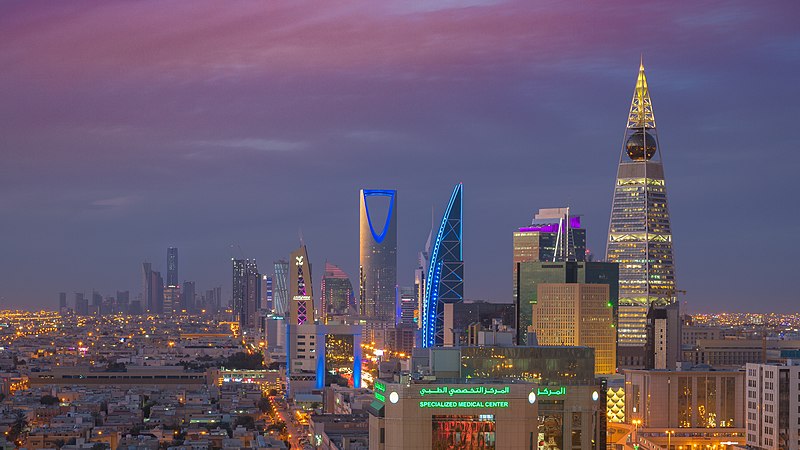
Saudi Arabia has made foreign investment a key pillar of its economic strategy, particularly through its Vision 2030 initiative. This ambitious plan aims to diversify the Kingdom’s economy away from oil dependence by creating a more sustainable, knowledge-based economy. To achieve this, the Saudi government has implemented a series of reforms to make the investment climate more attractive. These reforms include liberalizing regulations, offering tax incentives, improving infrastructure, and opening up sectors like entertainment, tourism, and renewable energy, all to entice international investors.
The government has also established agencies like the Saudi Arabian General Investment Authority (SAGIA), now part of the Ministry of Investment, to streamline the process of foreign direct investment (FDI). Special Economic Zones (SEZs), public-private partnerships (PPP), and a more transparent legal framework further enhance opportunities for foreign businesses. These efforts reflect Saudi Arabia’s commitment to creating a business-friendly environment, positioning itself as a hub for global investment in the region.
In addition to regulatory reforms, the Saudi government has prioritized developing strategic infrastructure to support foreign investments. Mega-projects like NEOM, a futuristic city focused on sustainability and innovation, and the Red Sea Project, a luxury tourism destination, showcase the government’s vision for large-scale, high-impact developments. These projects are designed to attract foreign capital by offering long-term investment opportunities in emerging sectors such as renewable energy, biotechnology, and advanced manufacturing, while also creating jobs and fostering innovation within the Kingdom.
Moreover, Saudi Arabia’s participation in international economic organizations and trade agreements reflects its efforts to integrate more deeply into the global economy. The Kingdom has strengthened ties with global investors through initiatives like the Future Investment Initiative (FII), an annual forum that brings together business leaders, policymakers, and innovators from around the world. These platforms allow Saudi Arabia to showcase its investment opportunities, further positioning itself as a competitive destination for foreign investors and as a key player in the global market.

Saudi Arabia’s Strategic Support for Foreign Investments: An Overview
Vision 2030 and Economic Diversification
The Saudi government, through its Vision 2030 initiative, is actively working to diversify its economy by reducing its dependency on oil revenues, and one of the key pillars of this strategy is attracting foreign investments, which are being encouraged through reforms aimed at creating a more business-friendly environment, such as simplifying regulations, improving the ease of doing business, and opening up new sectors like tourism, renewable energy, and entertainment.
Regulatory Reforms and Legal Framework
In an effort to attract more foreign capital, Saudi Arabia has implemented significant regulatory reforms, including the introduction of new laws that protect foreign investors’ rights, ensure transparency, and streamline dispute resolution, and the creation of institutions such as the General Authority for Investment (SAGIA), which facilitates investment processes, thereby making the country a more attractive destination for international businesses seeking stability and clear legal frameworks.
Public Investment Fund (PIF) as a Global Player
The Saudi government has also leveraged its sovereign wealth fund, the Public Investment Fund (PIF), not only to invest in global assets but also to forge partnerships with foreign investors by co-investing in key domestic projects, and this has helped to drive large-scale infrastructure developments, such as NEOM and the Red Sea Project, while simultaneously encouraging global companies to participate in the kingdom’s ambitious economic transformation.
Sector-Specific Initiatives for Foreign Investment
To support foreign investments, Saudi Arabia has focused on developing specific sectors like technology, renewable energy, and healthcare by offering incentives such as tax breaks, subsidies, and full foreign ownership in certain industries, which are designed to make these sectors more competitive and appealing to international businesses that are looking for emerging markets with growth potential.
Strategic Partnerships and Diplomatic Efforts
The Saudi government has also placed a strong emphasis on building strategic partnerships with other countries and multinational corporations, using its diplomatic influence and regional standing to secure trade agreements, joint ventures, and bilateral investment treaties, which have not only attracted foreign capital but have also facilitated the transfer of technology and expertise into the kingdom.
Special Economic Zones and Foreign Investor Incentives
To further boost foreign direct investment, Saudi Arabia has established Special Economic Zones (SEZs), which offer a range of benefits to foreign investors such as tax incentives, relaxed labor laws, and easier customs procedures, and these zones are part of a broader effort to create clusters of innovation and manufacturing that can compete on a global scale, while also integrating the kingdom more deeply into global supply chains.
Sustainable Development and Green Investments
In alignment with global sustainability trends, Saudi Arabia has prioritized green investments as part of its commitment to sustainable development, offering significant opportunities to foreign investors in renewable energy projects like solar and wind farms, and this focus on sustainability is not only aimed at reducing the kingdom’s carbon footprint but also at positioning Saudi Arabia as a leader in the green economy, attracting environmentally-conscious investors from around the world.
Human Capital Development and Workforce Localization
Recognizing that a skilled workforce is essential to attract and sustain foreign investment, the Saudi government has launched several initiatives to develop local talent through education and training programs, while at the same time, foreign companies are encouraged to invest in the country’s human capital through programs that incentivize knowledge transfer and workforce localization, which in turn helps to ensure that foreign investments contribute to long-term economic growth and development.
These long sentences provide a comprehensive overview of Saudi Arabia’s multifaceted approach to supporting foreign investments, emphasizing key initiatives, reforms, and strategic goals.
In conclusion, the Saudi government’s role in supporting foreign investments is pivotal in shaping the Kingdom’s economic future. Through Vision 2030, Saudi Arabia has committed to creating a more diversified and dynamic economy by fostering a business-friendly environment, improving infrastructure, and enhancing regulatory frameworks. The government’s active participation, from establishing special economic zones to offering financial incentives and easing restrictions, has made the country more attractive to global investors. As Saudi Arabia continues to modernize its economy and reduce its reliance on oil, foreign investment will remain a cornerstone of this transformation, driving innovation, economic growth, and greater international collaboration.