Economic Diversification in the UAE
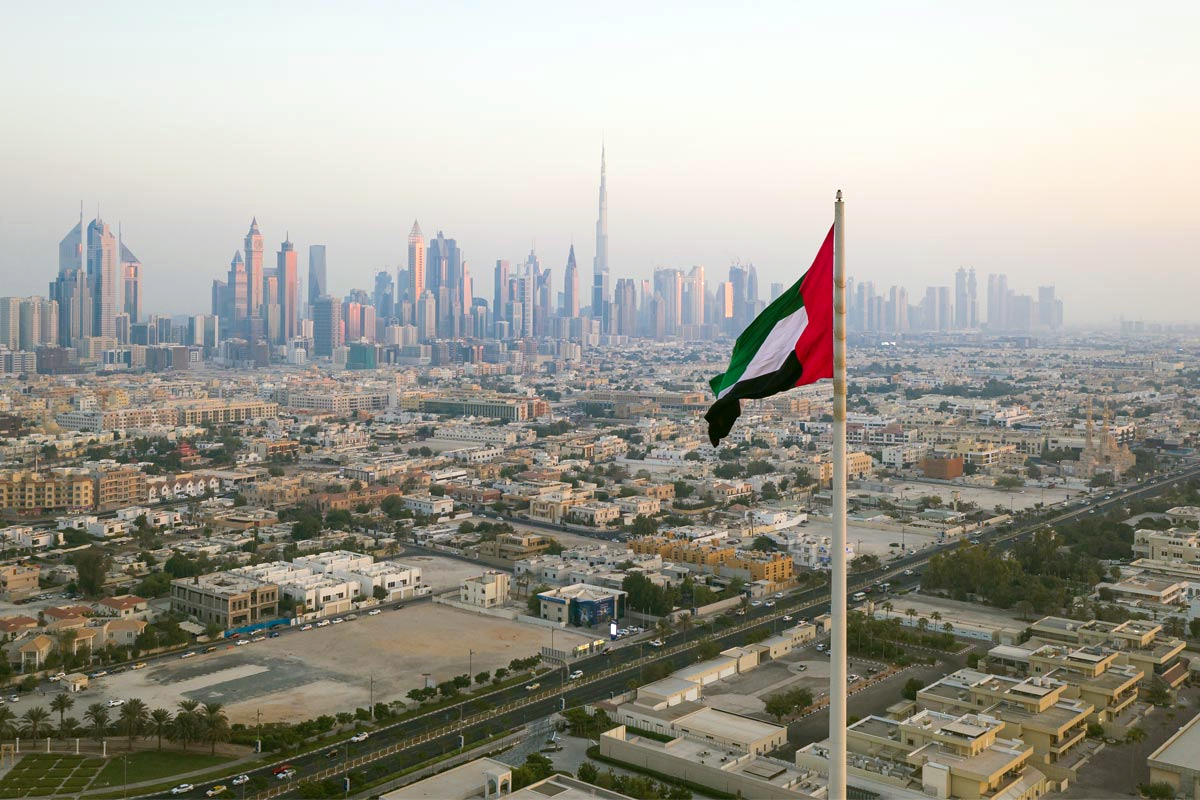
Economic diversification in the UAE has been a strategic priority for the nation’s leadership, aiming to reduce the country’s dependence on oil revenues by developing a variety of non-oil sectors such as tourism, finance, real estate, and renewable energy, which has led to significant investments in infrastructure and technology to support these industries.
The UAE government has implemented numerous policies and initiatives to foster innovation and entrepreneurship, thereby creating a more resilient and sustainable economy that can withstand global economic fluctuations and ensure long-term prosperity for its citizens.
dditionally, the establishment of free zones and the promotion of foreign direct investment have attracted international businesses, further enhancing the UAE’s position as a global trade and business hub.
The focus on education and skill development has also been crucial, as it equips the local workforce with the necessary expertise to thrive in a diversified economy, ultimately contributing to the nation’s overall economic growth and stability.
The UAE offers a diverse range of investment opportunities across various sectors. Here are some key areas:

The UAE is actively fostering a diverse range of investment opportunities through strategic initiatives and policies aimed at economic diversification and sustainability. By leveraging its strategic geographic location, the UAE has established itself as a global hub for trade, finance, and tourism. The government has implemented various reforms to attract foreign direct investment, including the introduction of long-term visas for investors and professionals, and the establishment of free zones that offer tax incentives and full foreign ownership. Additionally, the UAE is heavily investing in renewable energy projects, particularly solar power, to reduce its dependence on oil and promote sustainable development. The country is also focusing on innovation and technology, with significant investments in smart city projects, artificial intelligence, and blockchain technologies. Furthermore, the UAE’s robust infrastructure, world-class healthcare system, and high-quality education institutions make it an attractive destination for investors in these sectors. Overall, the UAE’s proactive approach to creating a conducive business environment and its commitment to innovation and sustainability are key factors driving its economic growth and providing multiple opportunities for investors.
Real Estate
The UAE’s real estate market, especially in Dubai and Abu Dhabi, continues to attract investors. The demand for both residential and commercial properties is high, driven by new visa schemes and government initiatives1. Popular investment areas include Downtown Dubai, Dubai Marina, Yas Island, and Saadiyat Island.
nancial Markets
The UAE’s financial sector is robust, with opportunities in mutual funds, bonds, and stock markets. The Abu Dhabi Securities Exchange and Dubai Financial Market are key platforms for trading. The country also ranks high in consumer trust in banks, making it a secure environment for financial investments.
Technology and Startups
The UAE is a hub for innovation, ranking high in global innovation indices. The government supports tech startups through various initiatives, making it an attractive destination for venture capital and tech investments.
Tourism and Hospitality
Tourism is a significant contributor to the UAE’s economy. Investment opportunities abound in luxury hotels, resorts, and entertainment facilities. The country’s strategic location and world-class infrastructure make it a global tourism hotspot.
Renewable Energy
The UAE is leading the Middle East in renewable energy capacity, particularly solar energy. Investments in this sector are encouraged as the country aims to diversify its energy sources and promote sustainability.
Healthcare and Biotechnology
The UAE’s healthcare sector is growing rapidly, with investments in hospitals, clinics, and biotech research facilities. The country ranks high in healthcare efficiency and quality, making it a promising area for investment.
Industrial and Manufacturing
The UAE’s strategic location makes it a prime spot for industrial and manufacturing investments. The government supports this sector through various incentives and infrastructure projects.
Education and Training
The UAE places a strong emphasis on education, offering top-notch educational opportunities. Investments in educational institutions and training centers are highly encouraged to meet the growing demand for quality education.
These sectors highlight the UAE’s dynamic and diverse investment landscape, offering numerous opportunities for growth and profitability.
The UAE’s strategic efforts towards economic diversification have been instrumental in reducing its dependence on oil revenues and establishing a robust, sustainable economy. With investments in sectors such as tourism, real estate, financial services, technology, and renewable energy, the country has made significant strides toward securing long-term economic growth.
Key initiatives such as Vision 2021 and Operation 300bn reflect the government’s commitment to fostering innovation, attracting foreign investment, and empowering local industries. The nation’s ability to balance traditional industries with new, forward-thinking ventures positions it as a global leader in economic adaptability.
However, challenges remain, including the need to address skills gaps, reduce reliance on expatriate labor, and further improve regulatory frameworks. Continued focus on sustainability, technological advancements, and fostering a knowledge-based economy will be crucial to ensuring that the UAE remains resilient and competitive in the evolving global landscape.
In conclusion, while the road to full diversification is ongoing, the UAE’s proactive strategies and visionary leadership have laid a strong foundation for a future beyond oil, setting a model for other resource-dependent economies.