Investing in infrastructure in the UAE Future Projects
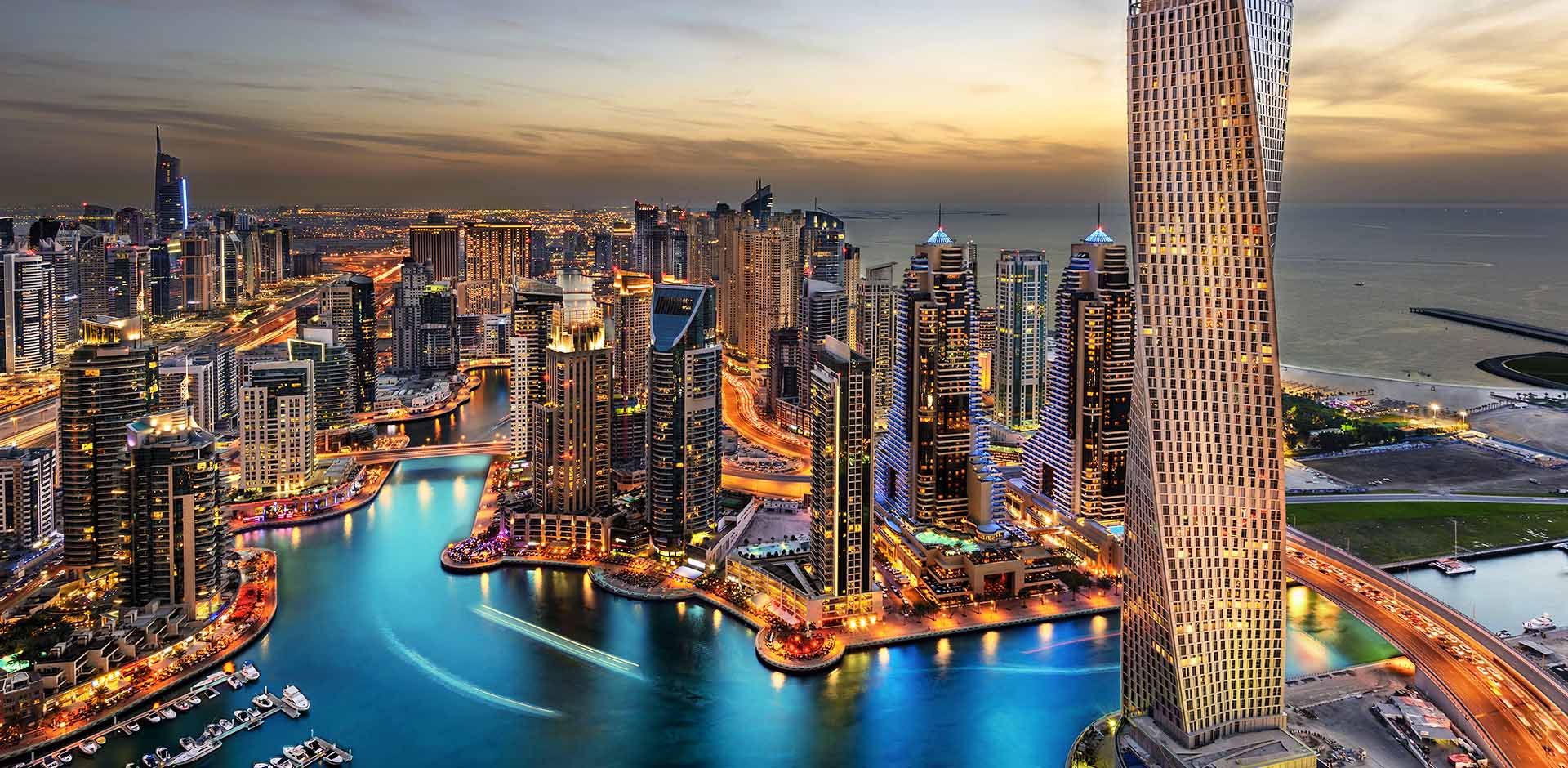
Investing in infrastructure in the UAE is a strategic priority, driving the nation’s vision for sustainable growth and innovation. The UAE has outlined ambitious projects across various sectors, including transportation, energy, and technology.
Key initiatives include the Sheikh Zayed double-deck road project worth $2.7 billion and the hyperloop plan between Dubai and Abu Dhabi, projected at $5.9 billion1. Additionally, the Mohammed bin Rashid Al Maktoum Solar Park aims to be the largest single-site solar park globally.
These projects are part of broader plans like the Abu Dhabi Economic Vision 2030 and the Dubai Industrial Strategy 2030, which focus on reducing oil dependency and fostering economic diversification2. The UAE’s commitment to infrastructure development is set to enhance its status as a global hub for business and innovation.
Certainly! The UAE’s infrastructure projects are not only ambitious but also strategically designed to position the country as a leader in innovation and sustainability.
Key Projects and Initiatives:

The UAE is making significant investments in infrastructure with key projects such as the $11 billion Etihad Rail to connect major cities and ports, the expansion of the Dubai Metro to improve urban mobility, the Barakah Nuclear Power Plant to provide clean energy, and initiatives in the hydrogen economy to support a sustainable energy future, alongside the Smart Dubai Initiative to transform the city with advanced digital infrastructure, and the development of Dubai Silicon Oasis to foster innovation and support technology startups.
In the healthcare sector, the UAE is enhancing its capabilities with state-of-the-art facilities like Cleveland Clinic Abu Dhabi offering world-class services, Dubai Healthcare City attracting international medical institutions and professionals, and in education, the expansion of Zayed University to support higher education and scientific research, along with Dubai Knowledge Park promoting a knowledge-based economy, while environmental sustainability is being addressed through Dubai Green Building Regulations ensuring new buildings meet sustainability standards and the development of Masdar City focusing on renewable energy and sustainable urban development.
The UAE is also focusing on water and waste management with projects like the Al Taweelah Desalination Plant, one of the largest in the world, providing a sustainable water supply, and the Dubai Waste Management Centre converting waste into energy to support sustainability goals, while in aviation, the expansion of Al Maktoum International Airport aims to make it the world’s largest, and the new Abu Dhabi Intermediate Terminal will increase passenger capacity and improve services, complemented by the expansion of Khalifa Port and continuous upgrades to Jebel Ali Port to maintain its position as one of the world’s busiest ports.
These projects are part of the UAE’s broader vision to diversify its economy, reduce reliance on oil, and create a sustainable, innovation-driven future. The country’s strategic location, coupled with its robust infrastructure, makes it an attractive destination for global investors. These projects reflect the UAE’s commitment to creating a diversified, sustainable, and innovation-driven economy. The country’s strategic investments in infrastructure are designed to enhance its global competitiveness and improve the quality of life for its residents. These projects highlight the UAE’s comprehensive approach to infrastructure development, ensuring growth across various sectors. The country’s strategic investments are designed to support its long-term vision of economic diversification and sustainability.
In conclusion, investing in infrastructure in the UAE presents a compelling opportunity for both regional and international investors. With its strategic location, world-class infrastructure, and government policies focused on economic diversification, the UAE continues to solidify its position as a global hub for trade, tourism, and innovation. Ongoing projects in transportation, energy, and urban development demonstrate the nation’s commitment to future-proofing its economy, particularly as it looks beyond oil revenues. For investors, this translates to long-term growth potential in sectors such as construction, logistics, renewable energy, and smart cities.
However, it is important to conduct thorough due diligence, considering regional challenges such as market competition, regulatory environments, and shifting global economic trends. By aligning with the UAE’s Vision 2030 and sustainable development goals, investors can position themselves to capitalize on the infrastructure boom while contributing to the nation’s economic resilience and sustainability.